
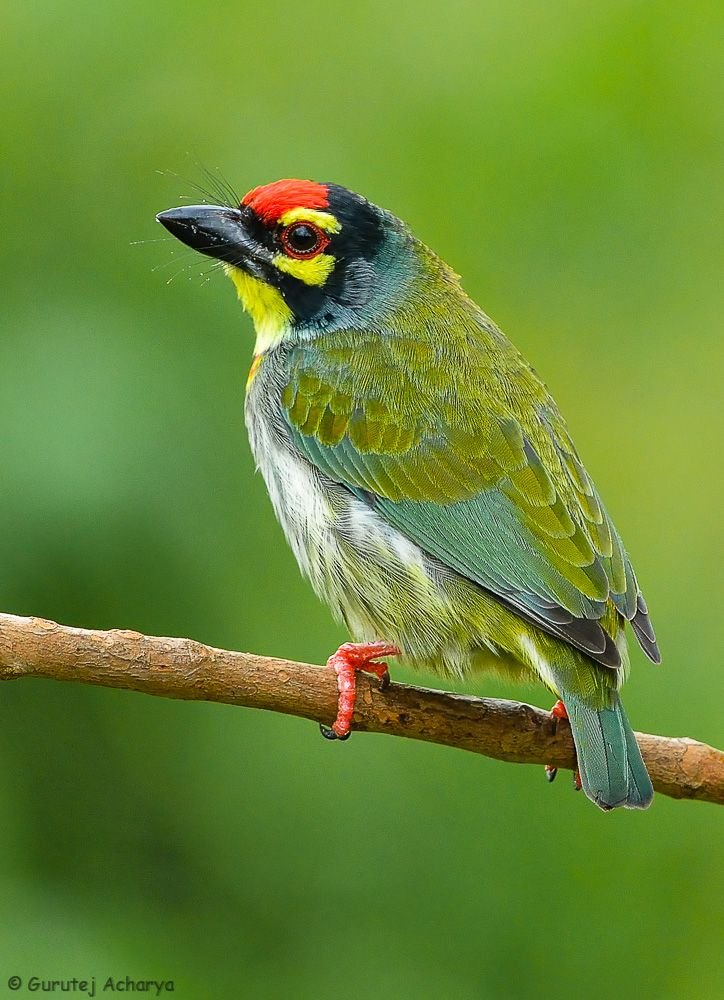
Before birds are seen at Villa Katipadu, they are heard. The soundscape arrives ahead of the light, filling the early morning air with layered calls, whistles, and repetitive phrases that define the start of each day.
Listening becomes the first act of birding here, and over time, it becomes the most reliable one.
At dawn, the landscape speaks. Each bird contributes its voice, not randomly, but with purpose. Some calls establish territory, others attract mates, and some simply announce presence. Together, they form what is commonly known as the dawn chorus a phenomenon that feels less like noise and more like conversation.
Standing still during this time is a lesson in humility. The chorus is not performed for human listeners, yet those who listen carefully are welcomed into its rhythm. Even without seeing a single bird, one can sense abundance through sound alone.
With repeated exposure, individual voices become familiar. A barbet’s steady call marks the presence of fruiting trees. The fluid whistle of a thrush carries through shaded areas. Sharp alarm calls ripple outward when a predator passes unseen.
Listening is a skill developed slowly. At first, the sounds blend together. Then patterns emerge. Eventually, calls begin to map the landscape, revealing who occupies which space and when.
For many birders, this shift—from visual dependence to auditory awareness is transformative..
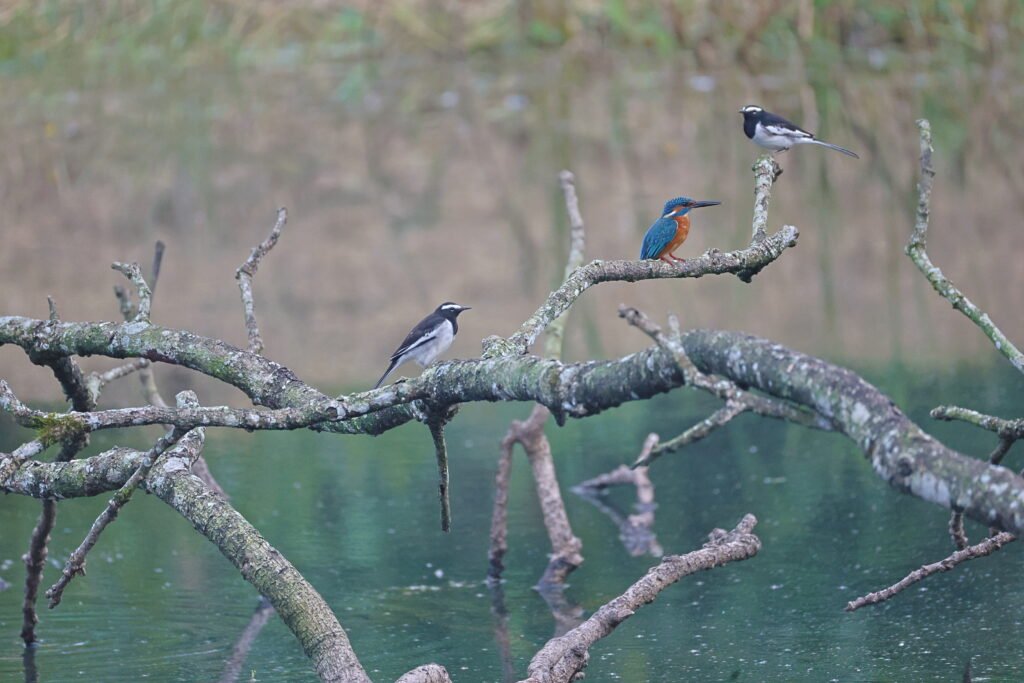
As the sun rises, the soundscape changes. Vocal activity decreases, replaced by softer, incidental sounds: wingbeats, rustling leaves, brief contact calls. This quieter period is often mistaken for absence, but birds are still present feeding, resting, conserving energy.
Learning to appreciate these quieter hours requires a different kind of attention. It is during these moments that subtle behaviors become visible, offering insight into how birds navigate heat and resource availability..
As evening approaches, sound returns gradually. Some birds call as they move toward roosts; others become active once more. The tone of the soundscape shifts less urgent, more measured.
These evening calls feel like closures to the day’s conversations. For those who listen regularly, they signal continuity rather than ending.
Birdsong is not decoration. It is data. It reveals presence, behavior, breeding cycles, and ecological health. At Villa Katipadu, listening closely allows one to understand the landscape even when visibility is low.
In time, listening becomes instinctive. The ear leads, the eye follows. And birding becomes less about finding birds and more about belonging, briefly, to their world.