
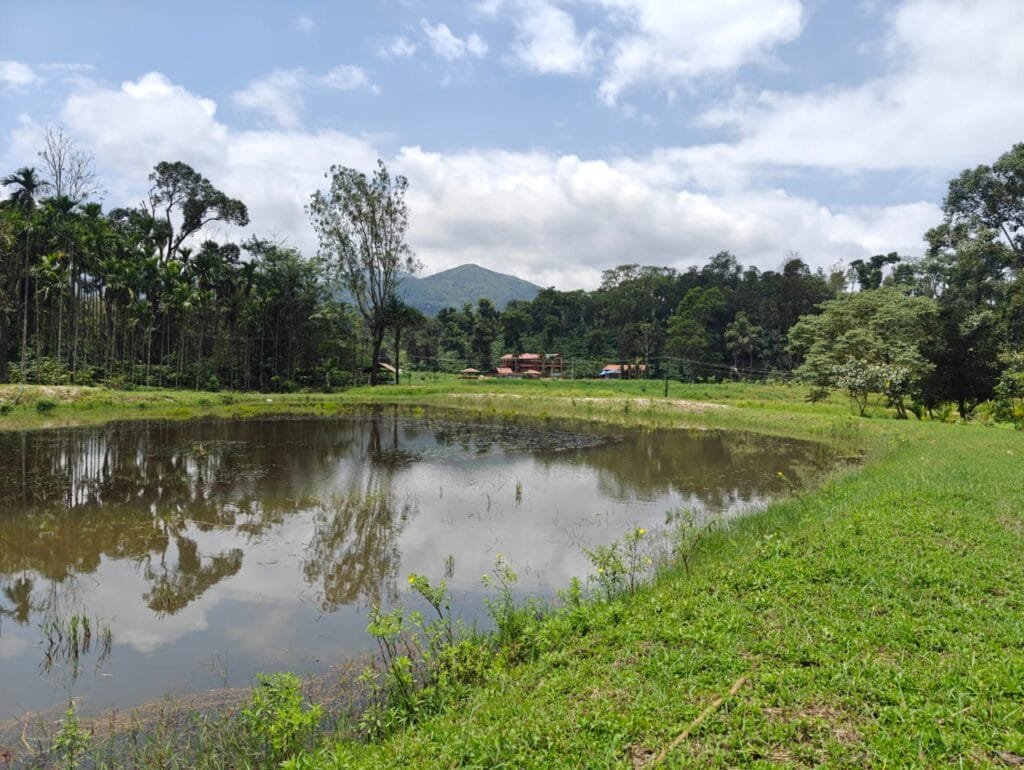
Villa Katipadu is not a curated wildlife park. It is a lived-in landscape worked, walked, and inhabited by people and birds alike. Birdwatching in such a space carries a different responsibility than observation in formal reserves. Here, ethics are not enforced by rules or rangers, but by awareness and choice.
Ethical birdwatching begins with understanding that birds are not visitors to this landscape. We are.
The first and most important principle of ethical birding is restraint. Birds reveal themselves most honestly when they are not being pursued. Approaching too closely, following movement aggressively, or attempting to flush birds for a better view disrupts natural behavior and adds unnecessary stress.
At Villa Katipadu, many birds tolerate human presence because it is predictable and non- threatening. Preserving this tolerance is essential. When birders move slowly, maintain distance, and accept imperfect views, birds continue feeding, calling, and interacting naturally.
The goal is not proximity, but authenticity..
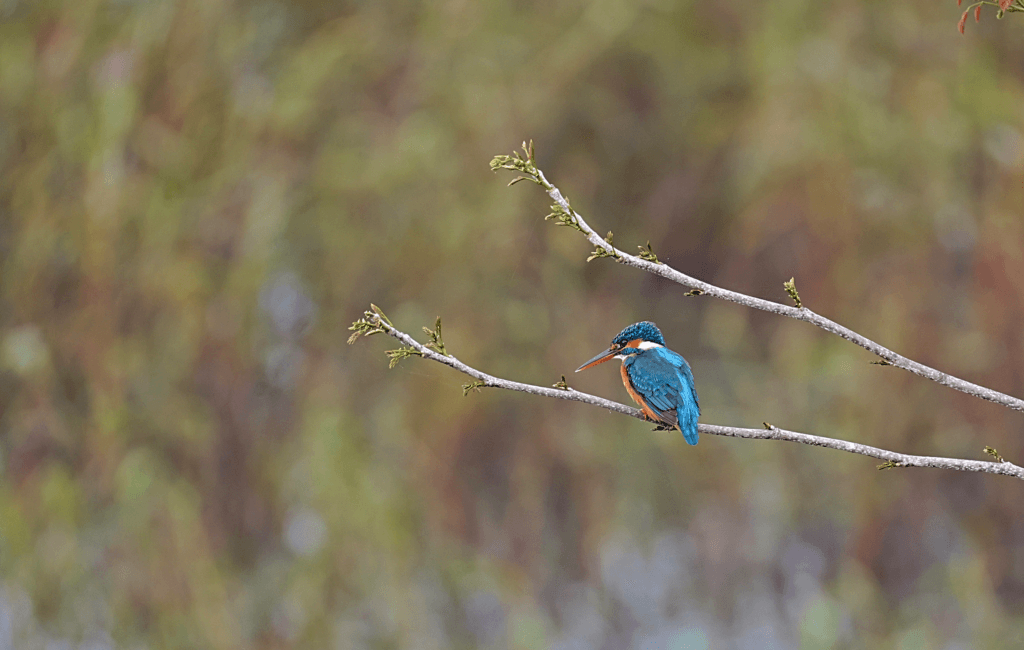
Silence is often framed as politeness, but in birdwatching, it is a tool. Loud conversations, sudden laughter, or constant movement fracture the soundscape birds rely on for communication and safety.
Listening truly listening requires stillness. It also requires patience. Ethical birders learn to pause, to let sound travel toward them rather than chasing it. Over time, this quiet presence becomes part of the landscape rather than an interruption..
The most sensitive moments in a bird’s life are also the easiest to disturb. Nesting sites, courtship displays, and juvenile stages demand extra caution. Ethical birdwatching means resisting curiosity when it risks harm. Observing from afar, avoiding repeated visits to the same nesting area, and never revealing nest locations publicly are acts of stewardship rather than sacrifice.
At Villa Katipadu, where birds breed within plantation trees and hedgerows, this discretion becomes especially important. These are not hidden forest nests, but vulnerable ones woven into shared spaces.
Modern birding tools recorded calls, photography equipment, mobile apps can deepen understanding, but they also tempt misuse. Playing calls to attract birds, particularly during breeding seasons, alters behavior and drains energy reserves.
Ethical birders choose knowledge over control. They allow birds to initiate encounters rather than manipulating outcomes. A photograph missed is inconsequential; a disturbed nest is not.
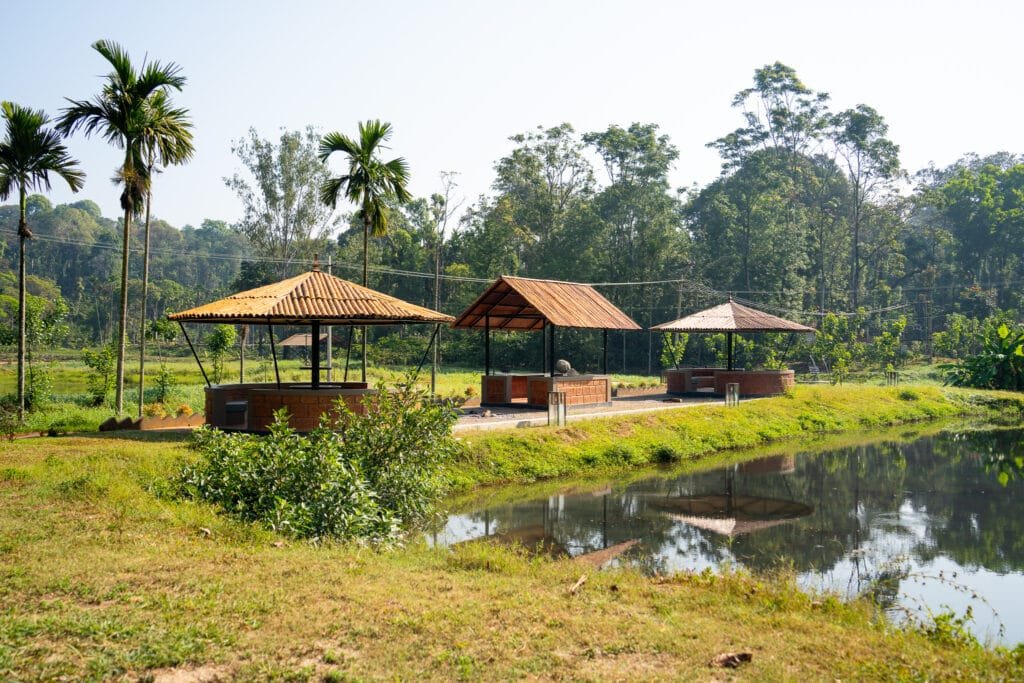
Birdwatching here occurs alongside daily human activity. Workers move through plantations. Paths are used for routine movement. Respect flows in both directions.
Ethical birding includes respecting people as much as birds avoiding obstruction, seeking permission when needed, and acknowledging that conservation thrives best when communities are included rather than sidelined.
Ironically, ethical restraint often leads to richer experiences. Birds behave more naturally. Patterns emerge. Familiar individuals reappear. Observation deepens.
At Villa Katipadu, ethical birdwatching transforms from a checklist exercise into a relationship one built on trust, time, and quiet respect.